This guide explains how receivables work in day-to-day finance, why they matter for cash flow, and how to interpret common concepts referenced by Investopedia-style resources. It objectively defines receivables, outlines typical risk signals, and links practical accounting and credit-management choices to measurable outcomes for businesses and investors, including how to assess quality and collectability.
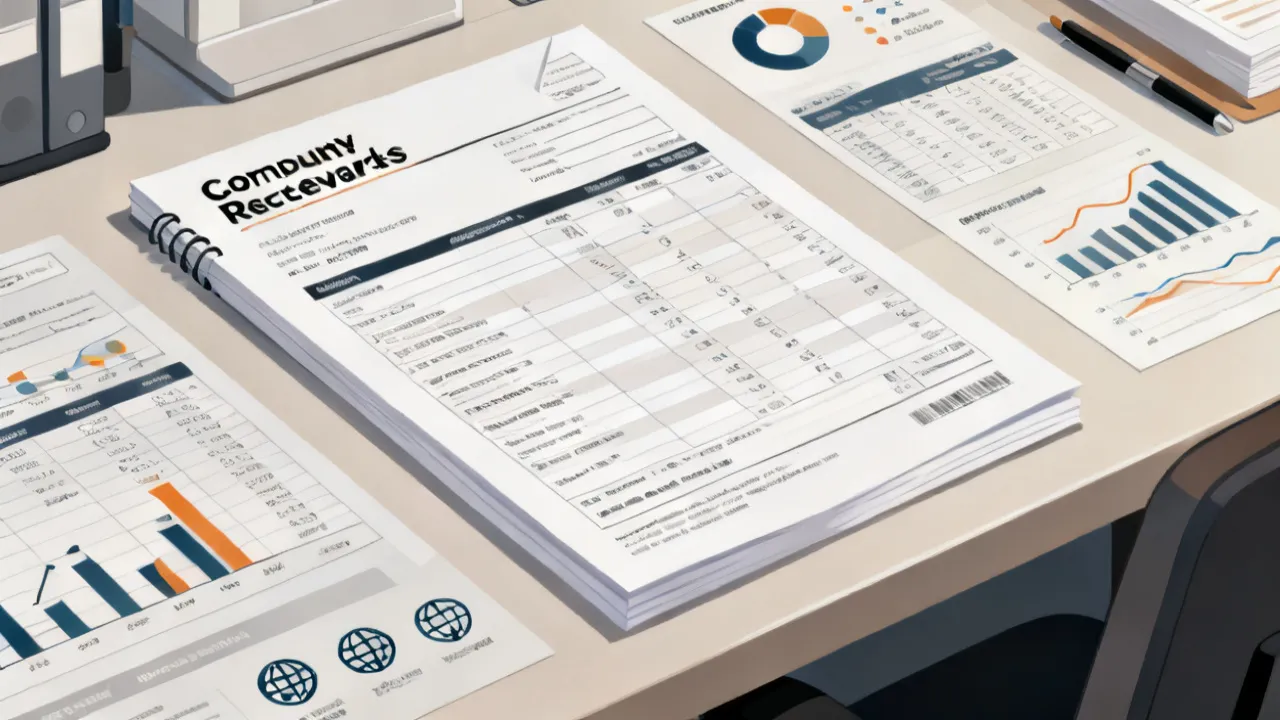
Receivables represent amounts customers owe to a business for goods or services delivered on credit. In practical terms, they sit at the intersection of accounting and operations: revenue recognition may occur when the shipment or service is completed, while cash may arrive later. Understanding receivables—and how authoritative finance explainers such as Investopedia typically frame the topic—helps managers and investors evaluate working-capital health, collection discipline, and the probability that recorded balances will actually turn into cash.
For many organizations, receivables are among the very liquid assets on the balance sheet after cash, yet they can also be a major source of earnings volatility if collections weaken. The central analytical question is not merely “how much is owed,” but “how collectible is it, how long does it usually take, and what is the risk profile behind the numbers?” In other words, receivables are not just accounting artifacts—they are promises made in business relationships, carried by credit policies, supported by contracts, and realized by operational execution.
In a healthy system, receivables behave predictably: when revenue grows, receivables grow; when collections improve, receivables shrink; when credit terms change, aging shifts in a way that management expects. In a troubled system, receivables can grow without corresponding cash inflows, aging can worsen quietly, and “net” receivables after allowances may still fail to represent true collectability. That is why receivables should be treated as an operational metric with financial consequences rather than as a static line item.
In standard accounting practice, accounts receivable are recognized when the firm earns revenue and expects payment within a typical operating cycle. This expectation can vary by industry and customer contract terms, but the logic remains consistent: the company delivers value now and expects cash later. The moment goods ship or services are performed, the company effectively creates a claim on the customer. That claim is recorded as receivables when the revenue recognition criteria are met and the right to consideration becomes enforceable.
To make receivables actionable, analysts examine:
When readers encounter finance content associated with Investopedia, the discussion often returns to these same themes because they are central to how receivables behave under different economic conditions. Yet the practical nuance lies in how those themes are applied to a specific business model: for example, a subscription software company with monthly billing cycles will face different receivables dynamics than a seasonal manufacturer with net-90 terms and freight and delivery disputes.
One helpful way to internalize the concept is to view receivables as part of the “order-to-cash” chain. The chain starts when a sale is approved and terms are negotiated, continues through invoicing and contract documentation, and culminates in collection and dispute resolution. If any link is weak—credit approvals, order confirmation, billing accuracy, delivery proof, or collections follow-up—receivables may still appear on the balance sheet, but the cash realization rate declines.
From an industry expert’s perspective, receivables are less about the balance sheet line item alone and more about the mechanics of cash conversion. Two companies can report similar receivables totals while being very different in underlying risk. For example:
In credit analysis and internal finance reviews, the “quality” of receivables often depends on the adequacy of allowances (or impairment provisions), the realism of collection assumptions, and whether receivables aging shifts toward later buckets. But earnings quality is broader than allowances alone. It includes whether revenue was recognized correctly, whether the company retains enforceable rights to payment, and whether disputes are recorded and resolved appropriately.
Receivables can affect earnings quality in several ways:
For many organizations, the operational objective is simple: collect cash efficiently without damaging customer relationships or sales growth. But the financial objective is even more specific: ensure that reported receivables (net of allowances) are expected to be collected within a reasonable time frame and with reasonable loss expectations. When these objectives diverge, receivables become a leading indicator of cash flow stress.
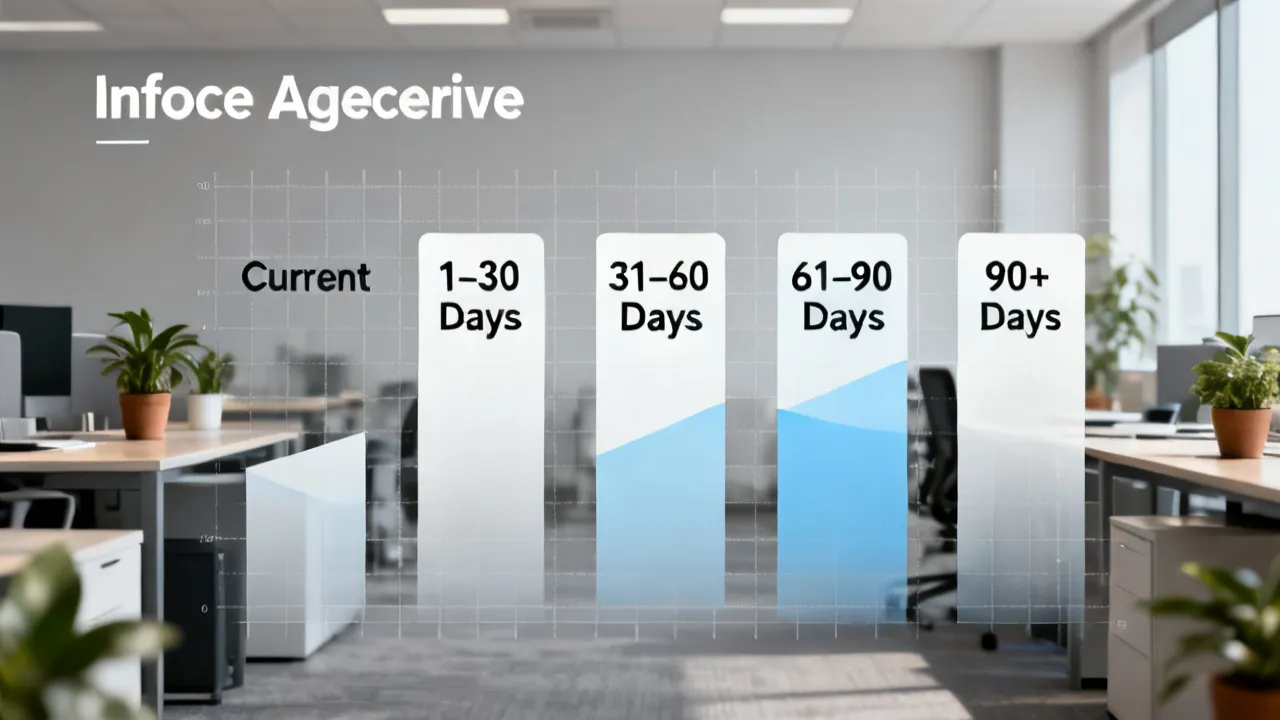
Very practical receivables analysis starts with aging. Aging schedules categorize outstanding invoices by how long they have remained unpaid (e.g., current, 30 days past due, 60 days past due, etc.). Aging is powerful because it links accounting numbers to collection reality. The aging schedule is essentially a map of how long the company has waited for payment, which can reveal both customer behavior and process issues.
However, aging needs context. A rise in “past due” balances might reflect seasonal buying patterns, temporary disputes, or an improving sales mix that includes customers with longer standard payment terms. It can also reflect systemic issues such as weak credit policy, insufficient collections resources, or operational bottlenecks that prevent timely billing and follow-up.
To strengthen the analysis, many teams look beyond a single aging snapshot and instead analyze:
Allowances (or impairment provisions) are the accounting counterpart to this reality. They represent expected losses from non-payment. While exact terminology varies by accounting framework and jurisdiction, the purpose is consistent: to prevent the balance sheet from overstating the net realizable value of receivables. In practice, allowances should be grounded in evidence: historical loss rates, forward-looking factors (such as macroeconomic conditions), and customer-level information where appropriate.
But allowances also create analytical challenges. A business might maintain stable allowance levels while aging deteriorates, which could indicate under-provisioning. Conversely, a business might increase allowances proactively, reducing net income but improving balance sheet realism. Analysts therefore need to understand not just the allowance amount, but the allowance methodology, governance, and whether the method is responsive to changes in credit conditions.
Concentration is another major factor. If a small number of customers represent a large share of total receivables, then customer credit deterioration can have outsized effects. Analysts often look for:
Concentration analysis becomes even more important when receivables are also concentrated by geography or industry. For example, if many customers are concentrated in one industry that is experiencing a downturn, receivables risk can increase across the portfolio simultaneously. When that happens, allowance models based solely on historical averages may lag behind reality.
Another dimension of collectability that often gets less attention is the enforceability of the claim. Even if a receivable appears valid, some contracts may allow offsets, credits, or returns. If customers can reduce payment via disputes, warranties, or service-level adjustments, the practical collectible amount may be lower than the gross invoice value. That means receivables analysis should consider contract terms and dispute mechanics, not just invoice dates.
Receivables are top understood through the lens of cash flow. Many analysts monitor the relationship between revenue growth, receivables growth, and operating cash flow. If receivables increase faster than revenue—or if operating cash flow lags—this can suggest that cash collection is weakening. Importantly, this can happen for reasons that are not “bad” in a strict sense. A company may be deliberately offering longer terms to win contracts, or it may be ramping a new product line with slower customer procurement cycles.
Common indicators include:
When these indicators change sharply, it is prudent to investigate contract terms, billing accuracy, disputes management, and whether credit policy has loosened. For example, if DSO increases while revenue growth slows, management may have inadvertently created billing timing delays or weakened collections discipline. Alternatively, it might indicate that new customers are paying more slowly, possibly because the onboarding process takes longer or because the company’s services require validation and acceptance before payment is released.
Investopedia-style explanations typically frame such metrics as ways to evaluate efficiency and risk—not as guarantees of future outcomes. Metrics like DSO can be influenced by seasonality, acquisition activity, changes in product mix, or shifts in the timing of revenue recognition. That does not make them useless; it makes them something to interpret within context.
Analysts also benefit from reconciling the accounting cash flow statement with working capital changes. For instance, an increase in receivables typically reduces operating cash flow (because revenue has been recognized without cash received). If operating cash flow declines despite stable earnings, receivables and other working capital changes are often part of the explanation. The key is whether the change is expected and reversible (for example, due to seasonal billing timing) or persistent and worsening.
Receivables may appear straightforward—an invoice is an invoice—but several risks routinely affect collectability. These risks often interact: credit risk increases default likelihood, dispute risk increases the probability that cash is withheld, and operational risk can cause billing inaccuracies that create both dispute and collection delays.
Beyond these widely recognized categories, receivables also carry legal and contractual risk. For example, invoices might not be enforceable if the company has not met contract conditions. Similarly, some customers may have rights to offset amounts due to warranties, service credits, or penalties. If these rights are not properly reflected in impairment estimates, net receivables may be overstated.
A robust internal control environment—credit reviews, order-to-cash controls, dispute workflows, and systematic follow-up—often matters as much as the accounting model itself. Controls are not merely “audit artifacts.” In receivables, controls can directly determine whether invoices are accurate, whether payment terms are applied correctly, and whether the company responds quickly to delinquency signals.
Another subtle risk is timing risk around renewals and renegotiations. A customer may enter a payment dispute or request new terms as a renegotiation tactic near renewal periods. If management accepts renegotiations without revisiting impairment and collections plans, receivables can appear stable while the collectible portion quietly erodes.
Industry practice tends to cluster around a few operational pillars. While the exact tools vary—from spreadsheets to ERP modules and dedicated collections systems—the underlying discipline is consistent: set credit terms intentionally, invoice correctly, follow up consistently, and manage disputes and impairment responsibly.
Before extending terms, firms may set credit limits, verify customer payment history, and require guarantees or insurance for higher-risk segments. This doesn’t eliminate risk, but it shapes the risk distribution. A good credit policy is not just “tight terms for everyone.” It balances commercial objectives with risk tolerance by segmenting customers based on likelihood of payment.
Many organizations also use credit monitoring beyond initial underwriting. Examples include:
When a company operates across multiple regions, credit policy must account for local payment cultures and enforceability of contracts. A net-60 term in one market may behave more like net-90 in practice in another. Therefore, credit policy should be “calibrated” to actual payment behavior and not only to contractual terms.
Receivables are only as strong as the documentation supporting them. Clear proof of delivery, correct pricing, and consistent contract terms reduce disputes and speed collection. Billing accuracy matters because even minor errors can shift an invoice into dispute status, which then delays payment and increases administrative effort.
In many industries, receivables strength depends on operational documentation. Examples include:
Billing accuracy also affects the internal process of allowances and impairment. If invoices are disputed frequently due to errors, impairment estimates should reflect that dispute-driven uncollectibility rather than only customer creditworthiness.
Successful collections often involves structured follow-up: reminders before due dates, then escalation for past due invoices, and resolution mechanisms for disputes. Many companies also implement dedicated customer service teams or standardized dispute codes. Collections strategy should be designed to maximize recovery while maintaining customer trust.
Effective collections programs typically include:
A particularly important practice is distinguishing between credit-driven delay and process-driven delay. For example, if customers consistently say “we will pay next month” but receipts never arrive, it may signal credit stress. If receipts are delayed because the accounts payable team cannot match invoices to purchase orders, it may indicate an onboarding or invoicing mismatch that can be fixed operationally.
Allowance calculations require governance. If assumptions become overly optimistic, receivables may be overstated. If assumptions are overly conservative, earnings may be depressed unnecessarily. The goal is a defensible balance that reflects expected credit losses.
Allowance governance typically includes:
For a receivables system, governance also includes ensuring that disputes, write-offs, and recoveries are accounted for consistently. If a company writes off accounts too aggressively, it may later recover cash without appropriate presentation. If it delays write-offs, allowances may not reflect realistic expected losses.
Another governance dimension is data quality. Many allowance models depend on accurate historical tagging (e.g., whether invoices were disputed, whether the customer was in a specific risk stage, whether the receivable relates to a particular product line). If data is incomplete or incorrectly classified, models can produce misleading results, even when the methodology is sophisticated.
Receivables rising can be benign or concerning depending on why it happens. Analysts typically evaluate whether the rise is linked to:
In an objective review, “receivables growth” is less important than “receivables growth quality.” Rising receivables with stable or improving aging may not be alarming; it could simply reflect higher demand. But rising receivables with deteriorating aging, increasing write-offs, or insufficient allowances warrants deeper scrutiny.
To interpret rising receivables, analysts often compare multiple signals:
In some industries, receivables can rise temporarily due to operational cycles. For example, a contractor might have large billings upon milestone achievement but receive cash only after a customer’s internal acceptance process. Similarly, seasonal retailers might see receivables increase as customer orders are processed ahead of holiday periods. These patterns need to be understood, or else normal seasonality might be misread as credit deterioration.
On the other hand, sometimes rising receivables are a symptom of structural problems: overly aggressive credit underwriting, insufficient collections staffing, poor dispute management, or billing system issues that delay invoicing. These structural problems often manifest as “slow bleed” changes in aging and cash conversion long before they produce dramatic events.
From an investor standpoint, receivables can inform diligence in several ways, but analysts must avoid simplistic conclusions. A large receivables balance is not automatically negative. Some business models intentionally operate with extended payment terms, especially in B2B supply chains. Others may have relatively low inventory and high receivables due to a “bill-and-collect” pattern.
What investors typically seek are signs that accounting estimates and collections processes align. Examples include:
Resources like Investopedia are often used by readers to understand definitions and common interpretations; nevertheless, investors should treat those explanations as starting points rather than substitutes for company-specific analysis. Company-specific analysis means going beyond reported figures and evaluating the narrative behind them: what changed in the credit environment, what changed in contract terms, and what changed in operational processes.
Investors can also benefit from bridging the gap between accounting data and operational reality. For example, if a company’s DSO increases, investors might ask whether collections are underinvested, whether disputes are increasing, whether there are billing system changes, or whether credit limits were expanded. These questions help interpret whether the increase is a temporary working capital timing effect or a sustained credit concern.
Another investor-level consideration is how receivables relate to funding and capital structure. If cash is constrained and receivables are not converting to cash, companies may need to rely on external financing, which can increase costs and affect valuation. Therefore, receivables risk should be considered alongside liquidity risk, interest expense sensitivity, and the company’s debt covenants.
The comparison table below summarizes how different stakeholders typically assess receivables. (No links are included.)
| Perspective | Main focus | Common tools | Conditions/requirements |
|---|---|---|---|
| Corporate finance | Working-capital efficiency and cash planning | DSO trends, aging analysis, cash flow forecasting | Monthly aging data; clarity on billing/collection timelines |
| Credit risk management | Probability of non-payment and exposure sizing | Customer credit limits, watchlists, impairment governance | Documented credit approval process; consistent monitoring cadence |
| Accounting and audit | Appropriate measurement and disclosure | Allowance/impairment models, reconciliation controls | Defensible estimation methodology; evidence supporting assumptions |
| Investors/analysts | Quality of earnings and cash conversion | Operating cash flow vs. earnings, receivables turnover | Comparable period data; understanding of business model terms |
Although each stakeholder uses different tools, the underlying reason for looking at receivables remains the same: to estimate whether the company’s claims on customers will reliably become cash, and what risk is embedded in the path from invoice to payment.
Use the steps below as a structured workflow for internal review or due diligence. The sequence matters because each stage informs the next. A receivables review is most effective when it blends quantitative analysis (aging, ratios, cash receipts) with qualitative checks (credit policy, disputes, documentation, and governance).
For deeper due diligence, reviewers often add two additional steps: (1) sampling receivables to confirm enforceability and documentation, and (2) performing sensitivity analysis to understand how different collection and default rates would affect cash flows and allowance sufficiency.
Receivables analysis can fail when the underlying conditions are not met. Common requirements include:
It is also important to ensure that the analysis captures both gross and net receivables properly. Gross receivables can appear high even when management believes substantial portions are at low risk. Net receivables reflect allowances and impairment. Reliable analysis requires understanding how management moves between these views and how quickly allowances are updated relative to changes in customer behavior.
Finally, reliability depends on organizational incentives. If sales teams are measured heavily on revenue booked but not on cash collection performance, receivables risk can rise because credit terms may be relaxed to increase bookings. Conversely, if collections teams are penalized for “slow payments” without support or dispute resolution tools, they may push customers away or fail to resolve underlying issues. Aligning incentives across sales, finance, and collections can materially improve receivables outcomes.
Receivables are amounts owed to a business by customers for goods or services already delivered. They are typically recorded as accounts receivable when the company expects payment in the near term.
Investopedia is widely used as an educational reference that explains finance concepts such as receivables, working capital, and credit risk. For decision-making, readers should still validate details using primary financial statements and company-specific data.
Receivables can rise due to normal revenue growth on credit, larger contract sizes, or changes in payment terms. The key is whether receivable aging worsens and whether collections and cash flow remain consistent.
An aging schedule groups outstanding invoices by how long they have been unpaid. It helps identify collection risks and supports the evaluation of whether allowances/impairment provisions are adequate.
Receivables turnover measures how efficiently the firm collects receivables over a period, while DSO estimates the average number of days it takes to collect. Both provide insight into collection efficiency, but they use different formulations.
No. Collectability varies by customer creditworthiness, invoice dispute status, payment history, contract terms, and enforceability. That’s why allowance/impairment frameworks and customer-level monitoring are essential.
Escalation is typically warranted when aging deteriorates persistently, cash receipts lag materially, disputes become frequent, or allowance assumptions appear inconsistent with observed collection patterns. Escalation may also be needed when a major customer approaches a credit event (downgrade, restructuring, or liquidity stress) or when documentation issues prevent enforceable claims.
For accounting principles, consult the applicable financial reporting standards (e.g., IFRS or local GAAP), audited financial statements, and guidance from standard-setting bodies and reputable auditing organizations. For general definitions and conceptual overviews, educational resources such as Investopedia can help, but they should not replace primary standards or company filings.
Receivables are top approached as a living system involving credit decisions, billing processes, collections discipline, and accounting estimation. Whether you are managing working capital or analyzing investment prospects, the strongest interpretations combine definitions (the kind commonly taught in resources such as Investopedia) with disciplined review of aging, allowances, documentation quality, customer concentration, and cash conversion behavior. When those elements align, receivables become a reliable signal of operational health; when they do not, they can reveal risk well before it surfaces in less timely metrics.
Note on data sources: This article uses conceptual finance frameworks rather than unverified performance claims. For accounting treatment of expected credit losses and impairment concepts, readers should consult their relevant reporting standards and official guidance issued by standard-setting bodies and regulators.
Striking the Perfect Balance: Navigating Premiums and Out-of-Pocket Expenses in Senior Insurance Plans

Explore the Tranquil Bliss of Idyllic Rural Retreats

How to Make Lasting Memories at Disneyland Attractions

4rkojvsx Technology: Industry Insights and Buying Guide

Affordable Phones and Plans for Seniors

Affordable Full Mouth Dental Implants Near You

Unlock the Top Kept Secrets to Finding Your Ideal Dentist for Flawless Dental Implant Results!

Discovering Springdale Estates

Unveiling RS Sul Telecom Services


Digio Livelo Explained: Rewards Integration and Use
This guide explains how Digio Livelo works for earning and using rewards, what to verify before you start, and how to choose sensible redemption options. “Digio Livelo” refers to a rewards relationship between Digio’s digital banking/payment experience and Livelo’s loyalty ecosystem. Practically, it’s about matching your spending or engagement to reward accrual, then selecting redemptions that fit your goals.

Receivables Explained with Investopedia Insights and Risk Controls
This guide explains receivables fundamentals and how to manage them with evidence-based controls aligned with Investopedia-style definitions. It provides objective background on what “receivables” means in accounting, why aging matters, and how businesses assess credit exposure, collect payments, and protect cash flow without assumptions.

Accounts Receivable Guide: Investopedia Insights for Clarity
This guide explains how accounts receivable work, how they’re valued and managed, and how firms interpret them in decision-making. Background context covers the Receivables concept referenced by Investopedia, common risks like credit exposure and timing gaps, and the role of policies, documentation, and estimates such as allowances. The focus is practical and objective for analysts and operations leaders.

Receivables: How to Interpret and Manage Credit Risk
Receivables are the lifeblood of many businesses because they represent money owed by customers. This guide explains how receivables are analyzed, why payment terms matter, and how “Receivables Investopedia” concepts help standardize thinking about liquidity and credit risk. Objective background follows, centered on accounting definitions, risk signals, and common management practices.

Bambora Payfac: A Practical Guide for Merchants
Bambora Payfac helps merchants structure card and digital payments through a streamlined payment facilitation model. This objective guide explains what payment facilitation is, how onboarding and compliance typically work, and what merchants should evaluate—pricing transparency, risk controls, settlement timing, and operational responsibilities—so you can choose an approach that fits your business needs.
Understanding Accounts Receivable and Investopedia Insights
This guide explains how accounts receivable work, how to interpret “Receivables” definitions (including perspectives aligned with Investopedia), and how to manage invoice collections with disciplined policies. Accounts receivable refers to money customers owe from credit sales. It sits on the balance sheet as a current asset, and its quality affects cash flow, risk, and working-capital decisions.